

Classification
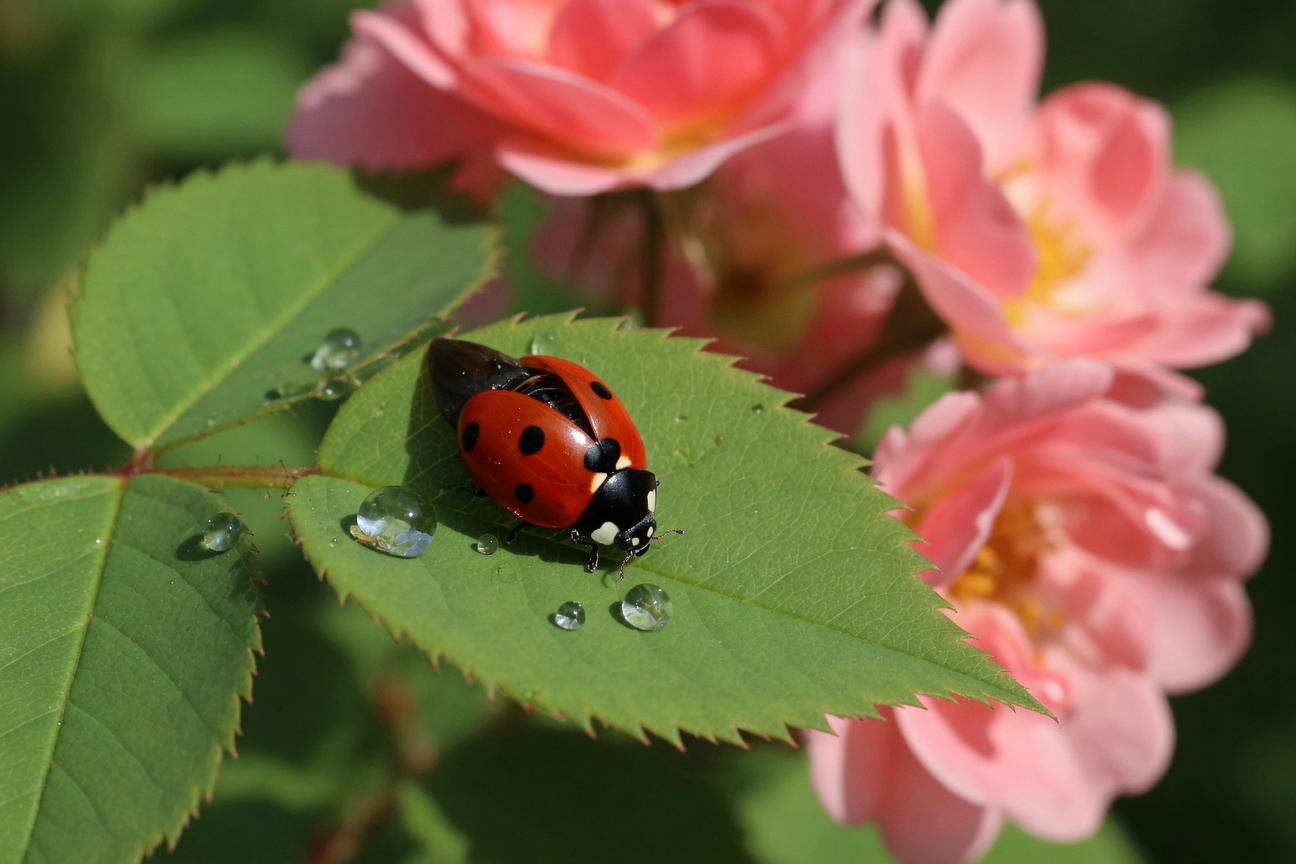
Ladybugs belong to the family of beetles. Their scientific name is Coccinellidae. The term coccinellidae basically means "little red sphere." They are also called coleoptera, meaning "sheath-winged." The correct term for these beetles is "lady beetle", "ladybug" is just a slang name. Ladybugs (or ladybirds, as they are called in Britain) are found all over the world. There are about 450 species in America alone.
The classification of ladybugs is as follows:
- Kingdom: Animalia
- Phylum: Arthropoda
- Class: Insecta
- Order: Coleoptera
- Genus: Coccinella
- Family: Coccinellidae
You can find ladybugs in a variety of colors beyond the standard red. Yellow, orange, and scarlet-colored ladybugs exist too, all with small black spots on their wings. Their legs, head, and antennae are also black.
Diet
Kids are often curious about what ladybugs eat. Ladybugs are known as the garden helpers and have an omnivorous diet. They have a huge appetite and eat aphids. Their main diet consists of aphids, which makes them a favorite bug of farmers and gardeners.
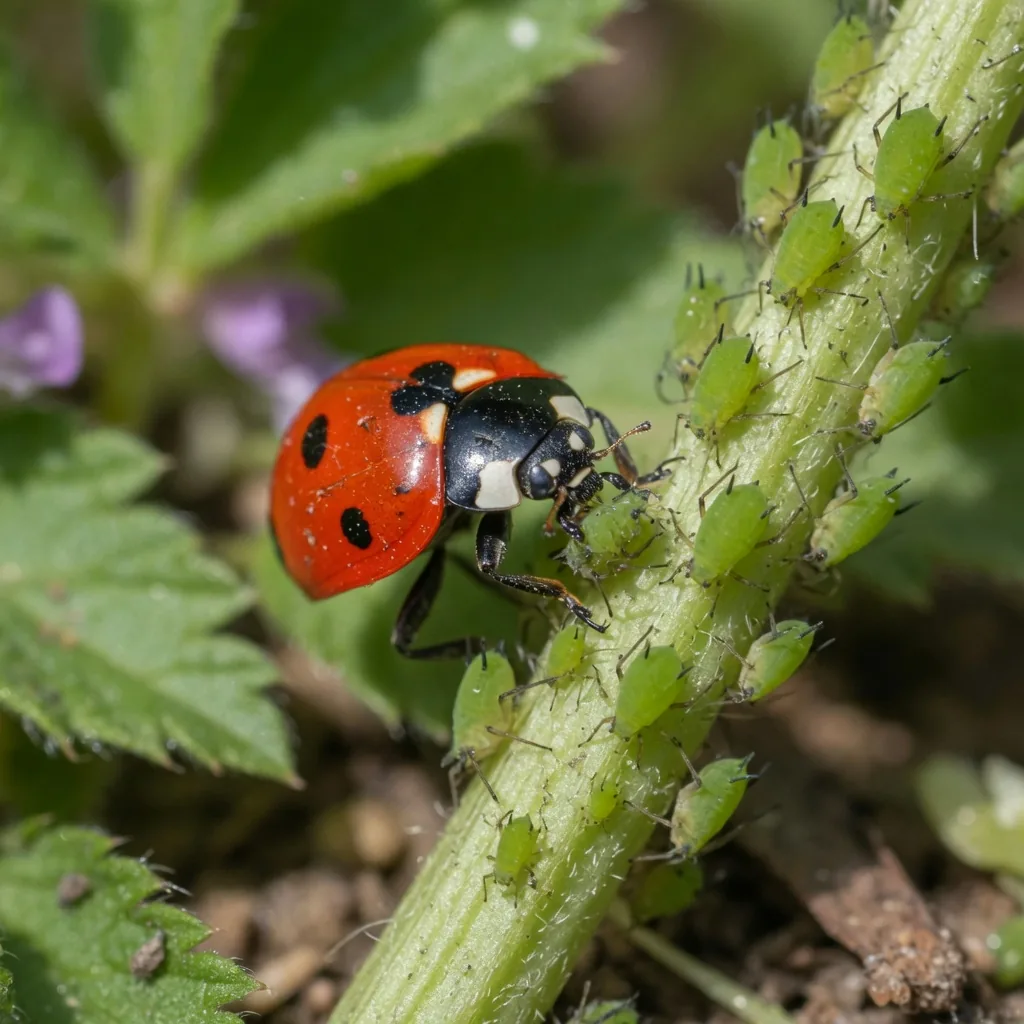
Aphids are insects with soft bodies that feed on plant juices. This causes plants to wither. They are commonly seen on rose plants. Ladybugs begin feeding on other garden insects from the minute their larvae hatch. By the time a ladybug dies, it consumes about 5,000 aphids.
The other bugs ladybugs eat include boll worm, broccoli worm, whitefly, mealybugs, armored scales, pit scales, mites, tomato horn worm, and cabbage moth. They also like to eat the eggs of other insects like moths, and they enjoy eating pollen and mildew. It is very rare to see a ladybug turning into a cannibal, that is, eating its own kind.
You may even find some species that eat mushrooms and other types of fungus. Some species eat leaves and can become pests instead of helpers. However, a majority of ladybugs are not considered pests and are welcome in the garden.
Test Your Ladybug Knowledge!
5 quick questions. How much do you know about what ladybugs eat?
Interesting and Fun Facts
There are over 5,000 species of ladybugs on Earth. They are just 1 to 10 mm in size. They are called ladybird beetles in Europe. The Mexican bean beetle and squash beetle species are not garden friends, they are pests. These two species eat Mexican bean and squash crops and are considered destructive pests.
Ladybugs have bright-colored wings to ward off predators. They secrete a fluid from the joints in their legs that tastes very foul to any predator that bites them. This makes them a displeasing meal, so predators learn to avoid them. Many times, a ladybug may play dead and secrete the awful-tasting fluid to save its life. This secretion is called "reflex bleeding," and it happens when the beetle is under stress.
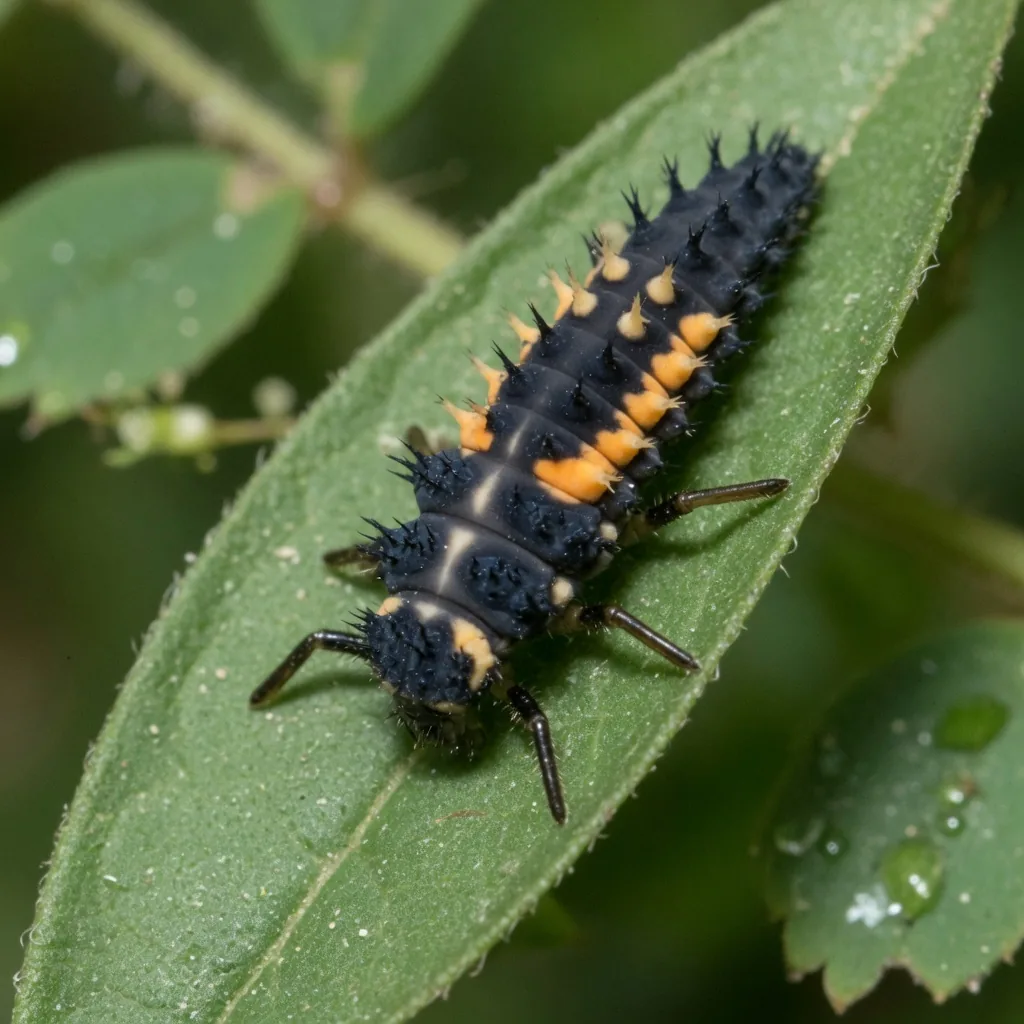
Ladybirds cannot bite humans the way mosquitoes or fleas do. They can pinch their mandibles into the skin, but most bites go unnoticed. Their adult lifespan is about 3 to 6 weeks. In that short life, one ladybug lays up to 1,000 eggs. All ladybugs are born black. The larvae take only a week to develop into adults. There are male and female ladybugs, reproduction is sexual.
Although ladybugs are known for their black spots, a few species are black with red spots. The spots fade as the insect ages. The pattern, color, and number of spots help scientists identify the species. Ladybugs beat their wings about 85 times per second while flying. They can chew from side to side.
These insects are cold-blooded and undergo diapause. Insect diapause is similar to animal hibernation. Ladybugs enter diapause to conserve energy and prepare for reproduction. They gather under tree trunks, logs, and buildings. When the temperature drops below 55 ºF, they draw heat from their surroundings to keep their body temperature stable. A ladybug can survive diapause for up to 9 months. They come out of diapause when the temperature rises above 55 ºF.
Explore More Animals
 A List of Different Types of Ladybugs, With Pictures | Animal SakeRed, orange, yellow, pink and even purple: meet 12 different types of ladybugs in this picture-packed field guide, with each one's color, spots, home and food.
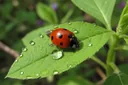 Types of Beetles: 8 Species You Should KnowBeing the largest insect order, there are over 350,000 species of beetles found across the world. Meet 8 different species, from glowing fireflies to armoured
 What Do Ants Eat? The Answer Will Shock YouAnts eat a variety of things that most of us don't even know about. Discover the surprising diet of ants, from honeydew and fungi to seeds and termites.
 Undeniably Interesting Facts About HoverfliesWhen it comes to impersonation, the hoverfly leaves everyone else in the shade. Often mistaken as wasps and bees, this unique fly is a perfect example of Batesi
Another fascinating fact: four ladybugs were sent to space on a NASA space shuttle in 1999. This mission was led by Eileen Collins. Ladybugs and aphids were launched together to study how aphids would escape from ladybugs in a zero-gravity environment. Scientists wanted to learn how the aphids would jump without gravity. The results showed the ladybugs as clear winners, they managed to catch and eat the aphids and survive in the micro-gravity environment.
These cute-looking beetles can be a bit mischievous. When temperatures drop, don't be surprised to find a ladybug sneaking into your house for warmth. Ladybugs won't harm your furniture or fabrics. The next time you spot the "lady in red" in your garden, thank her, she's working hard to protect your plants from pests.

 Fun fact for today!A single ladybug can eat about 5,000 aphids in its lifetime, making it one of the best garden helpers on Earth!