

What Are Wolf Spiders?
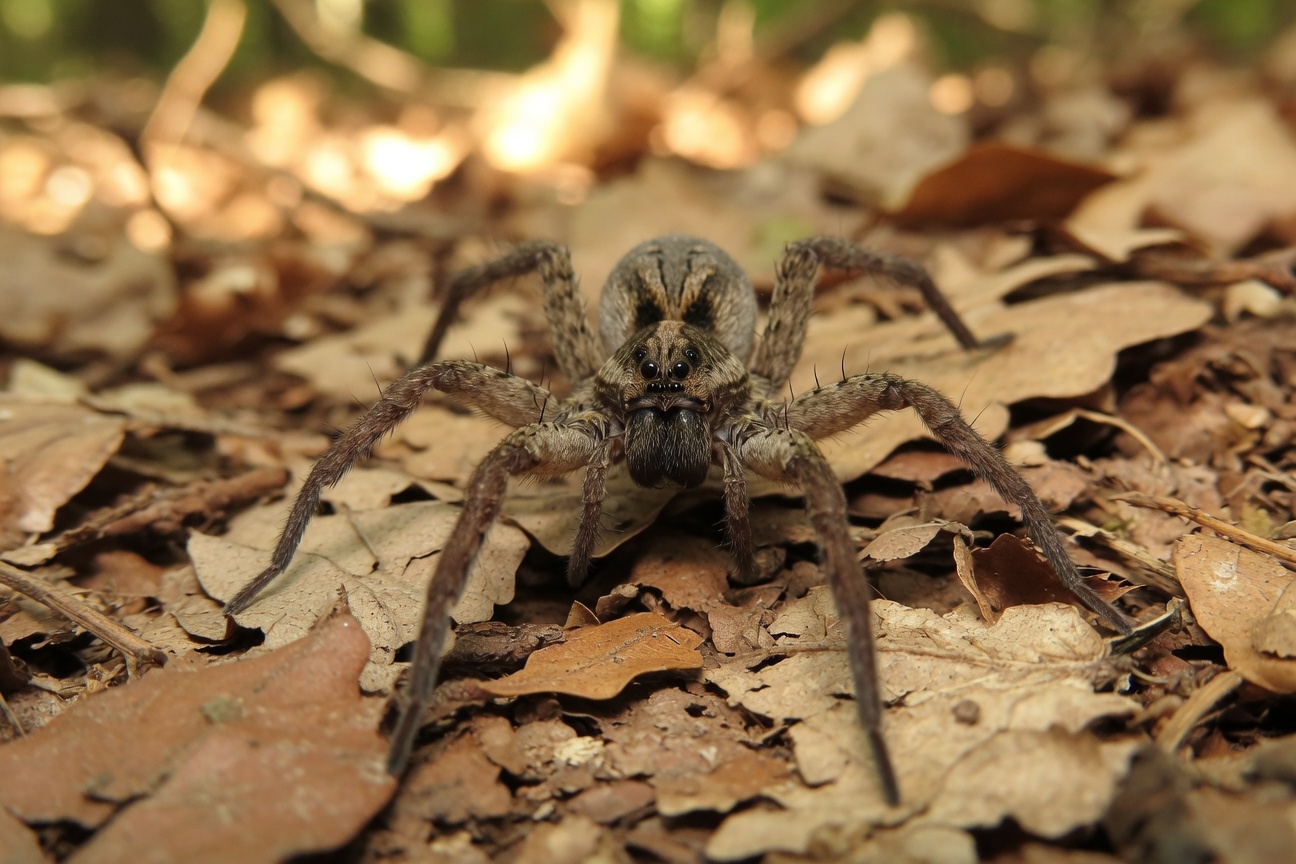
Wolf spiders belong to the family Lycosidae, a name that comes from the Greek word for wolf. They earned it because they stalk their prey just like a wolf does. These spiders have amazing eyesight and an excellent sense of touch, making them skilled hunters. Their body size varies from 1 mm to 30 mm, depending on which species you're looking at.
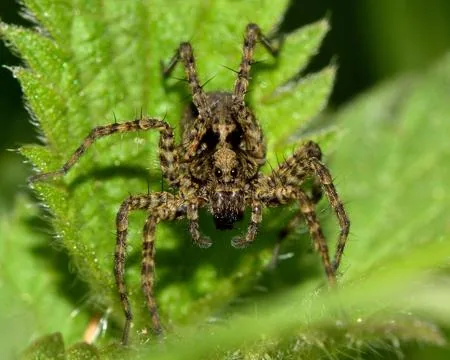
What really makes wolf spiders stand out is their eyes. They have eight eyes arranged in three rows. The first row has four small eyes. The second row has two larger eyes. The third row has two medium-sized eyes. The middle row eyes are large and prominent, which helps you tell wolf spiders apart from other species.

How Wolf Spiders Hunt
Wolf spiders are agile, fast-moving ground predators. Unlike most spiders, they do not make webs. Some species dig tube-like burrows; others shelter under rocks. Most simply wander from place to place, looking for a meal.
They use two main hunting strategies. The first is to wait near a likely spot until prey walks past. The second is to actively chase prey down. They react quickly to vibrations made by prey walking on the ground or the beating of wings nearby.
Their diet includes a variety of insects, houseflies, crickets, cockroaches, and sometimes grasshoppers. These spiders are mostly active at night, but you can also find them moving around during the day near lakes and streams.
Appearance and Color
Wolf spiders are grayish-brown in color and have a bar pattern on their abdomen (stomach). They tend to look dull, which is actually useful for blending into the forest floor. Male wolf spiders are darker than females and have more distinct markings.
Like all spiders, wolf spiders have four pairs of walking legs. They also have a pair of leg-like palps, sensory appendages near the mouth. In males, the palps are used for sperm storage.
Test Your Wolf Spider Knowledge!
5 quick questions. How much do you know about these eight-eyed hunters?
Life Cycle and Raising Young
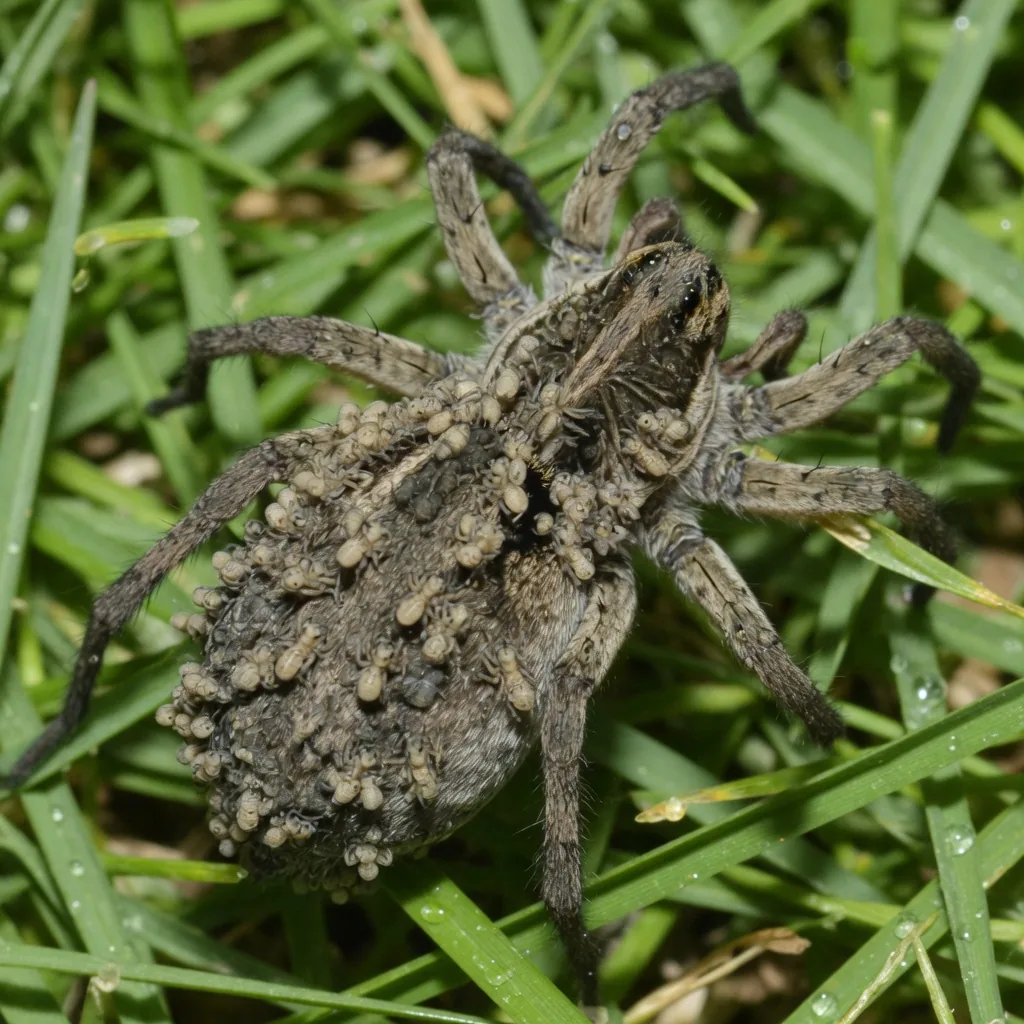
The life cycle of a wolf spider is one of the most interesting in the spider world. The female produces an egg sac containing over a hundred eggs and attaches it firmly to the spinnerets at the end of her abdomen. She carries it everywhere she goes.

When the spiderlings are ready, the female opens the sac. The tiny babies climb up onto her abdomen, gripping the hair on her body. They stay there for about a week before dispersing on their own, a behavior called ballooning or aerial dispersal.
Frequently Asked Questions
Do wolf spiders make webs?
No, wolf spiders do not build webs to catch prey. They hunt by stalking and chasing, or by waiting for prey to pass.
How many eyes does a wolf spider have?
Eight eyes arranged in three rows. The middle row has two large, prominent eyes.
Are wolf spiders dangerous to humans?
Wolf spiders are generally harmless to humans. Their bite is not fatal, though it can cause redness, swelling, or muscle pain in some cases.
How big do wolf spiders get?
Body size varies from 1 mm to 30 mm depending on the species.
Can wolf spiders walk on water?
Yes, some species use their feet and tiny body hairs to stay afloat and walk on the water's surface.
Wolf Spiders and Humans
Wolf spiders are generally harmless to humans. They will only bite if they are provoked or handled roughly. Their bite is not fatal, though it may cause an allergic reaction in some people. Symptoms can range from slight reddening of the skin to muscle pain, fever, and swelling of the lymph glands. If symptoms persist, contact a healthcare provider.
In summer, you can find many types of wolf spiders in woods, open grasslands, and along lakes and streams. Keep an eye on the ground at dusk, their large middle-row eyes will reflect torchlight, making them surprisingly easy to spot.
Explore More Animals
 Wolf Spider vs. Brown Recluse: How to Tell Them ApartWolf spider or brown recluse? Learn the quick clues (size, range, the violin marking, eyes, legs, and color) that tell these two look-alike spiders apart, wi
 Remarkably Interesting Facts About Wolves You'd Love to KnowSince ancient times, wolves have been associated with danger and feared by people. But are they really the way folklore depicts them? Discover fascinating wolf
 An Exceptionally Brilliant Guide to Identifying SpidersOther than the 40,000 odd spiders on the planet, there exist thousands of arachnids which are often confused for spiders. Being well-versed with spider traits m
 Things You Might Not Know About Water SpidersWater spider (Argyroneta aquatica) is the only spider that lives underwater. It builds a silk diving bell filled with air, a bubble home where it eats, molts,

 Fun fact for today!Wolf spiders don't build webs, they stalk and chase their prey just like a wolf hunts!