

About Rhinoceroses
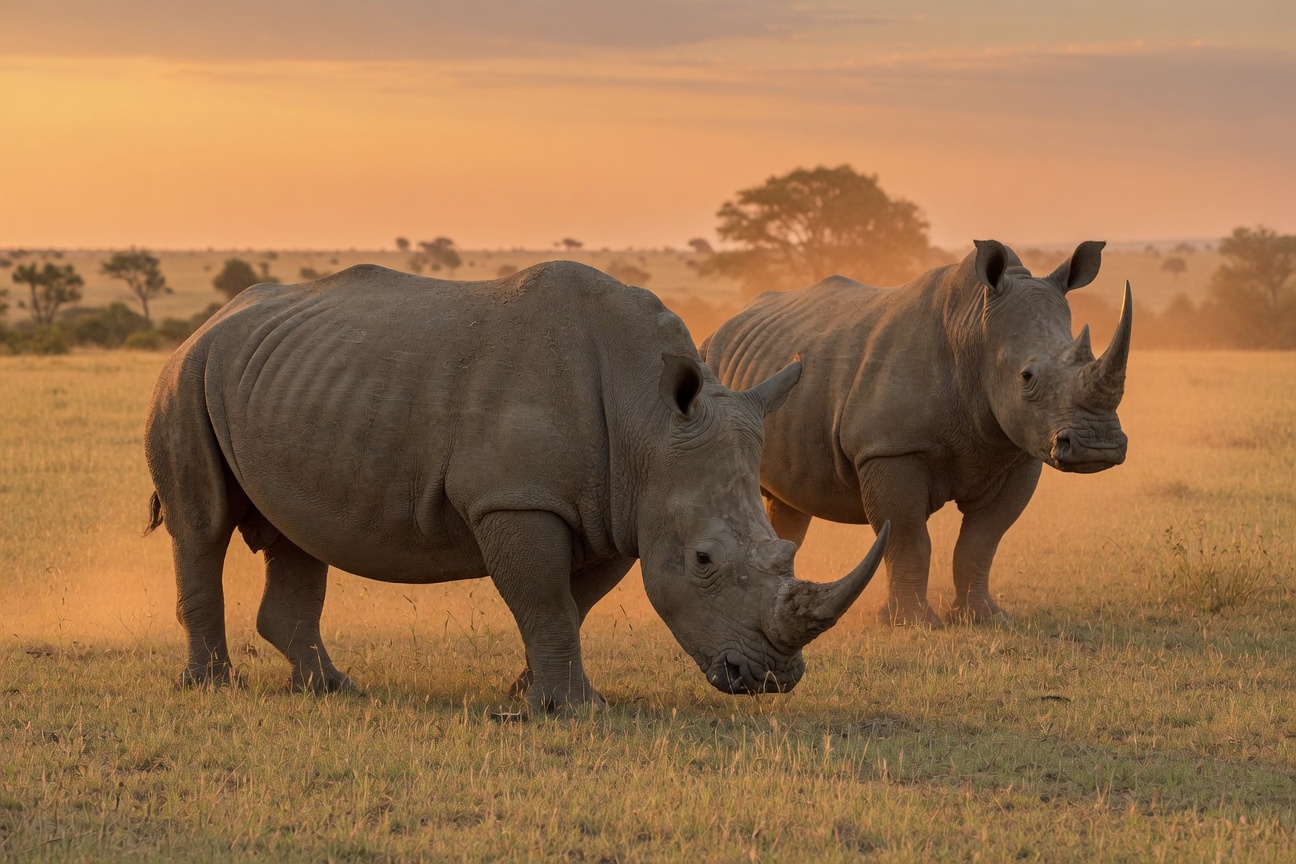
Did you know that rhinoceroses are related to horses and zebras? These amazing animals, with their unique horns, are total vegetarians, they feed on grass, shrubs, and roots. The number of horns on a rhinoceros can vary from one to two, depending on the species. They are the second largest mammal in the world. Another interesting fact: rhinoceroses have the thickest skin of any land animal.
Most rhinoceroses are found in parts of Asia and Africa. There are five living species: the white rhinoceros and black rhinoceros (both African species), and the Indian rhinoceros, Javan rhinoceros, and Sumatran rhinoceros. The white rhinoceros is the African species, and it is divided into two varieties, the Southern and the Northern.
What Is the White Rhinoceros?
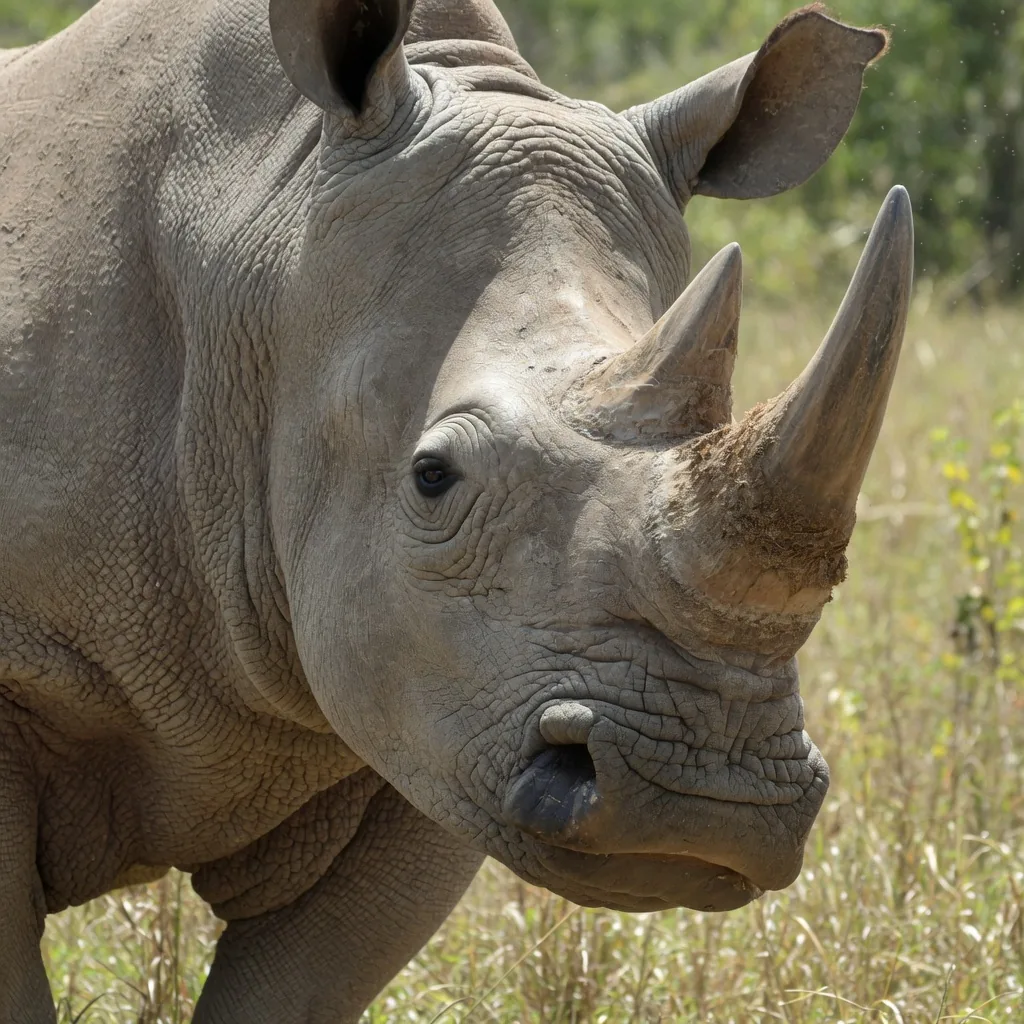
You might expect a white rhinoceros to be white in color, but it isn't. Its color is actually much like the black rhinoceros: brownish-gray. There are several explanations for the name. Some say it comes from the light-colored horn of the animal. Others suggest its skin sometimes appears lighter because it is often covered with chalky soil.
One popular explanation is that the name comes from the Dutch word wijd, which means wide, not white. According to this theory, the word was used to describe the animal's wide mouth. These animals are also called square-lipped rhinoceroses.
Scientifically named Ceratotherium simum, the white rhinoceros has two subspecies: the northern white rhinoceros (Ceratotherium simum cottoni) and the southern white rhinoceros (Ceratotherium simum simum). The population of southern white rhinoceroses has not seen a significant decline. The northern white rhinoceros, however, is on the IUCN's critically endangered list. As per estimates, only eight were left in the world, all of them in zoos. These animals are now considered extinct in the wild.
Both subspecies have the same body color. But they differ in lip shape and eating habits. Northern white rhinoceroses have wide, square lips, they are grazers that feed on grass from meadows. The southern variety has a pointed upper lip and is a browser that feeds on shoots and buds.
Facts About the Northern White Rhinoceros
The northern white rhinoceros population has been reduced to just eight individuals. This subspecies is on the IUCN's critically endangered list, and poaching is said to be the main reason for this sad situation.
- Being one of the largest mammals on Earth, the northern white rhinoceros can weigh up to around 2.5 tons, and may grow to 4 tons. It can stand up to six feet tall and reach 15 feet in length.
- These rhinoceroses live for around forty years in the wild. Before becoming extinct in the wild, northern white rhinoceroses were found in parts of Uganda, Chad, Sudan, and Congo.
- The eight surviving members of the subspecies were kept at San Diego Zoo's wild animal park and the Dvůr Králové Zoo in the Czech Republic.
- In the wild, their habitat included grasslands and savannas. During dry spells, they can go without water for around four to five days.
- The breeding age for female northern white rhinoceroses is around 30 to 35 years. The gestation period lasts 520 to 540 days, and newborns weigh around 40 to 65 kilograms.
- Northern white rhinoceroses have two horns that grow from the nasal bone. The front horn is longer than the back one. Made of keratin, these horns grow continuously, even if one is torn off.
The above is a brief overview of some of the most important northern white rhinoceros facts. Even though they are amazing and fascinating animals, the sad truth is that they are on the very edge of extinction. Efforts are still ongoing to try to save the species and revive their population.
Frequently Asked Questions
Why is the white rhinoceros called 'white' if it is gray?
The name may come from the Dutch word 'wijd', meaning wide, describing its broad square mouth, not its color.
How many northern white rhinoceroses were left in the world?
Only eight, kept in zoos, they are now considered extinct in the wild.
What do northern white rhinoceroses eat?
They are grazers that feed on grass from meadows.
How big can a northern white rhinoceros get?
They can weigh up to 2.5 tons (sometimes reaching 4 tons), stand up to six feet tall, and reach 15 feet in length.
What are rhinoceros horns made of?
Keratin, the same material as human fingernails and hair.
Take the Northern White Rhino Quiz!
5 quick questions. How much do you know about this critically endangered giant?
Explore More Animals
 White Lion FactsHave you ever heard about the white lions of Africa? Discover why these stunning pale lions aren't albinos, where they come from, and what threatens them today.
 Outstandingly Interesting Facts About Rhinoceros BeetlesRhinoceros beetles are among the largest insects on Earth, and the strongest animals alive relative to their size. Discover their horns, life cycle, and jaw-dr
 Interesting Facts About WarthogsWarthogs are tough, clever survivors of the African savanna. Discover mind-boggling facts about how they live, eat, fight, and raise their young, including the
 Really Astonishing Facts About African ElephantsGentle to some, threatening to others, African elephants continue to be a subject of interest for many animal lovers. This AnimalSake post provides some interes

 Fun fact for today!Rhinoceroses are related to horses and zebras, all three belong to the same mammal group!